6 weeks.
Not 6 months.
Traditional exhibit agencies quote $20,000–$150,000 and 6–12 month timelines. AI tools let one person deliver the same quality in weeks at a fraction of the cost — because the team is the technology.
Curvature Labs
Drag to orbit · Scroll to zoom
The problem
Most science centres are still running exhibits from 2015. Static displays. Pre-recorded videos. Touchscreens running PowerPoint. Visitors glance, nod, and walk to the next room. Students watch the same clips their teachers watched a decade ago. The universe is extraordinary — but most people’s experience of it is anything but.
The work
Real-time simulation with an AI space guide. Visitors click any planet, ask questions, and get real answers. Built with JPL orbital data accurate to arcminutes.
Deployed in 2 weeks.
Try it liveWhy us
Not 6 months.
Traditional exhibit agencies quote $20,000–$150,000 and 6–12 month timelines. AI tools let one person deliver the same quality in weeks at a fraction of the cost — because the team is the technology.
Not installations that decay.
Most vendors hand you a static installation that’s outdated the day it’s installed. These exhibits are living software — they update remotely, answer visitor questions through AI, and use real scientific data that stays current without a service call.
You’re not hiring a sales team that hands you off to a project manager who outsources to a developer you’ll never meet. You’re hiring the person who won a NASA award for building exactly this — and who will be there when you need something changed.
That transition — from delivering information to creating curiosity — may ultimately be the most valuable part of what you’re building.
Who we build for
Replace outdated exhibits with AI-powered experiences visitors can't stop talking about.
Interactive astronomy tools that make students ask questions, not watch the clock.
Full-dome experiences driven by real data and AI — not pre-recorded loops.
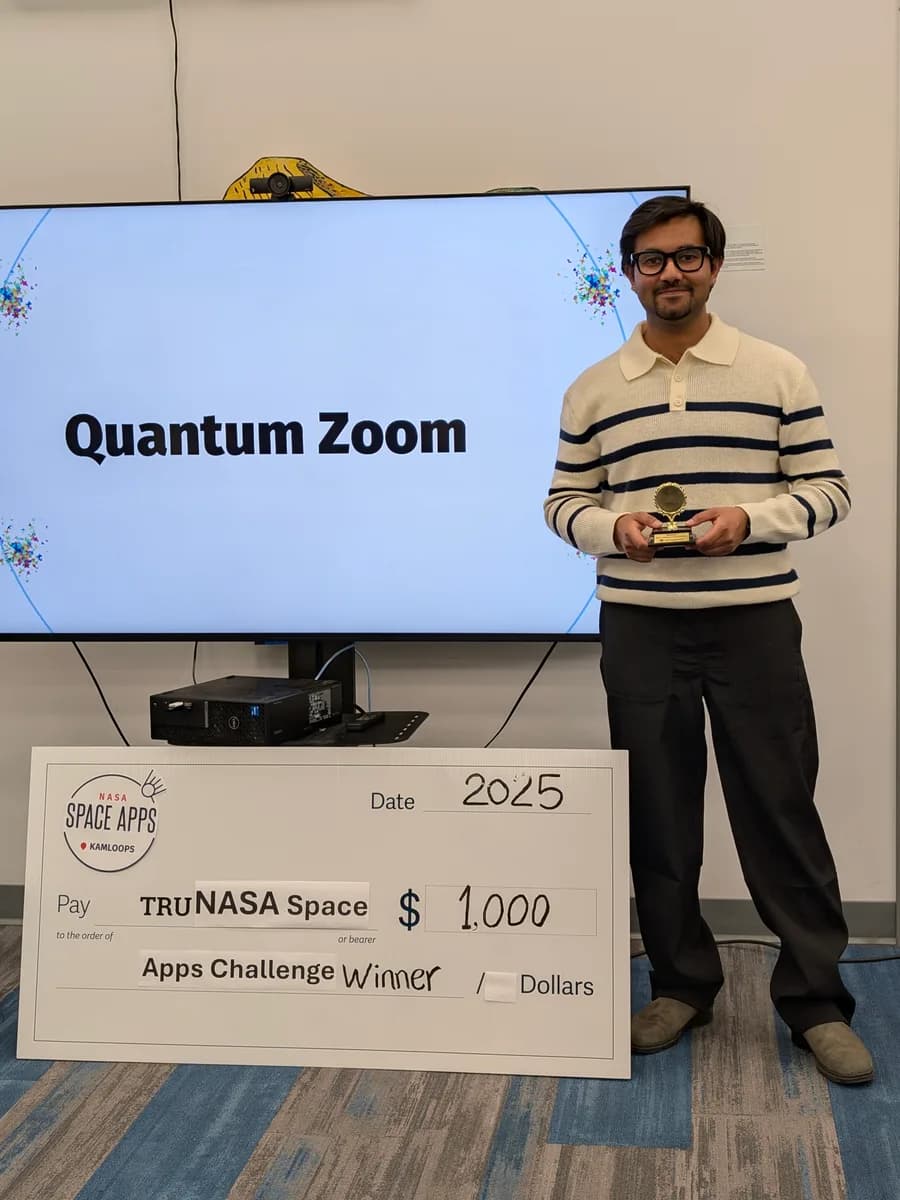
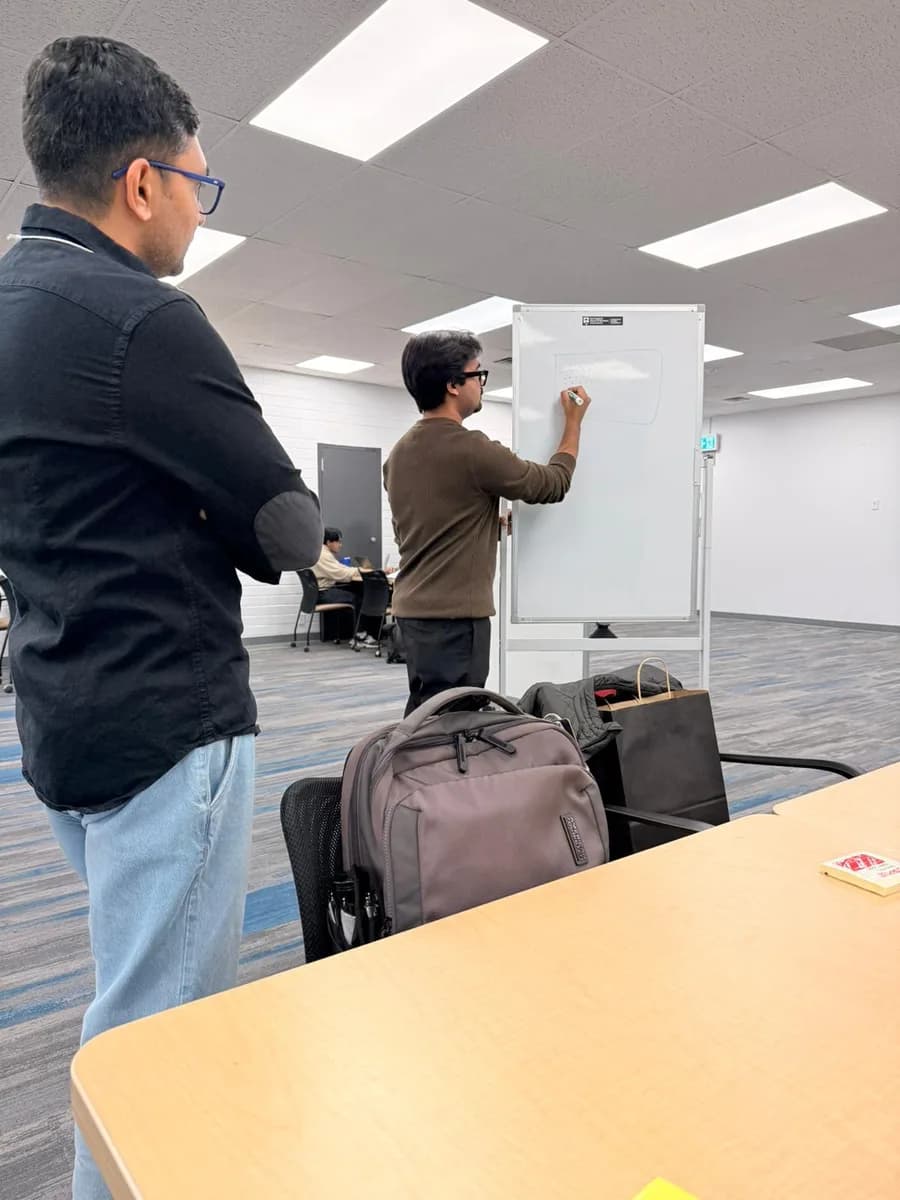
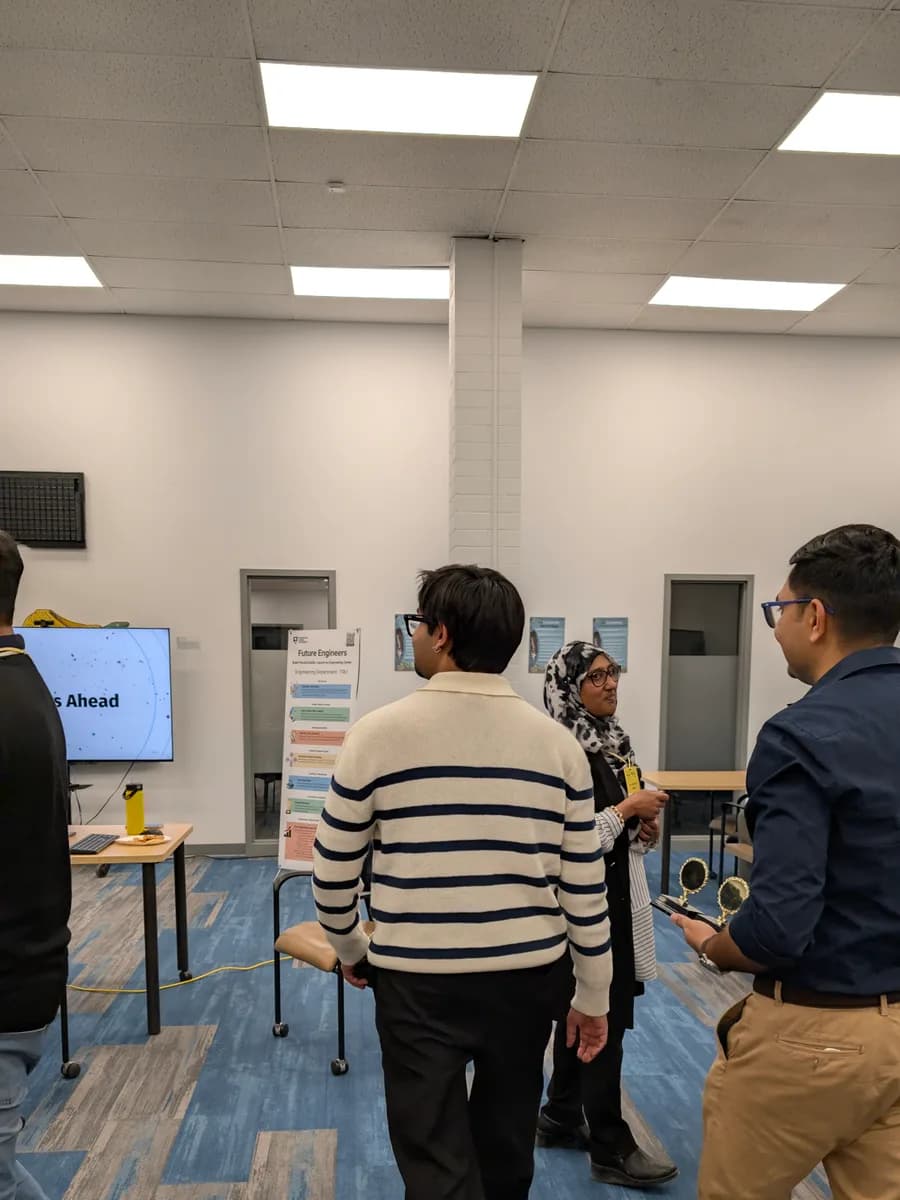
NASA Space Apps 2025
Best Local Impact
I didn't just study astronomy — I turned it into award-winning technology.
My team won NASA's Best Local Impact award at the 2025 Space Apps Challenge for building space tech people actually used. I've spent years in software solving real technical problems, taught programming to students, and now I build AI-powered interactive experiences that make the universe accessible to everyone.
RASC Volunteer · Based in Vernon, BC
Get in touch
Curvature Labs · Vernon, BC
Black hole visualization adapted from dgreenheck/webgpu-black-hole (MIT License)